
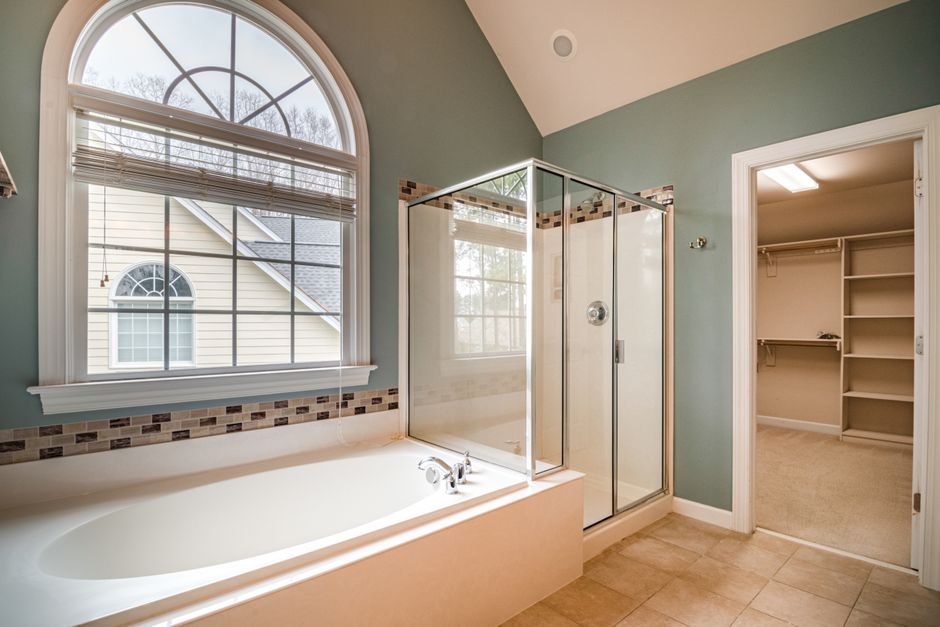
Both walk-in tubs and walk-in showers are designed to make bathing safer for older adults and people with mobility challenges, but they serve different needs. Walk-in showers offer faster access, wheelchair compatibility, and lower risk of the entrapment problem inherent in tub designs, while walk-in tubs provide immersive soaking and hydrotherapy benefits for those who value a bath. The right choice depends on the individual’s mobility level, bathing preferences, and how they expect those to change over time.
Choosing the right accessible bathing solution is one of the most consequential home modifications a senior homeowner or caregiver can make. The decision affects daily safety, quality of life, and how long someone can remain comfortably in their own home. TurnKey Bathroom Renovations installs both walk-in showers and walk-in tubs across Greater New Orleans, including Mandeville, and this guide gives you an honest comparison to help you decide which is right for your situation.
The Core Difference: Access and Safety
A walk-in shower has no threshold or a very low one, no door to wait for, and no water-filled enclosure that traps the user inside. You step in, bathe, and step out. The entry and exit happen in seconds without the need to wait for water to drain before leaving, which is the defining constraint of every walk-in tub design.
A walk-in tub has a door built into the side of the tub. You open the door, step in, close and seal the door, then fill the tub. When done, you drain the water completely before opening the door and exiting. That waiting period, sitting in a cooling tub while water drains, is a real inconvenience that should be factored into the decision alongside the safety benefits.
For someone with balance challenges or a risk of falls, the walk-in shower eliminates the highest-risk moments in bathing: stepping over a curb and stepping out of a wet enclosure. The walk-in tub reduces entry risk but introduces the entrapment waiting period as a trade-off.

Mobility and Wheelchair Compatibility
Walk-in showers have a significant advantage for users who use wheelchairs, walkers, or rollators. A barrier-free walk-in shower can be designed wide enough to allow a shower wheelchair or transfer bench, and the open entry requires no stepping at all. This is a critical distinction for homeowners planning for progressive mobility conditions.
Walk-in tubs require the user to step over a threshold into the tub enclosure, close the door, and maintain an upright or seated position while the tub fills and drains. They are not wheelchair-compatible in any meaningful sense. For someone who currently uses a walker or anticipates needing one, a walk-in tub may work today but not in three years.
TurnKey’s walk-in shower installations are designed with future mobility in mind. Features like a built-in bench, a handheld showerhead on an adjustable slide bar, grab bars at entry and in the shower, and a low-profile drain with proper floor slope create a bathing space that works across a wide range of ability levels over time.
When a Walk-In Tub Makes Sense
Walk-in tubs deliver real benefits for a specific group of users: those who genuinely value soaking in warm water for pain relief, joint comfort, or relaxation, and who have sufficient strength and balance to manage the entry, seated wait, and exit process independently or with minimal assistance. Hydrotherapy jets, air jets, and heated surfaces are available in walk-in tub models and provide therapeutic value that a shower simply cannot replicate.
TurnKey installs walk-in tubs for homeowners who have made an informed decision that the soaking benefit outweighs the access constraints. If chronic pain, arthritis, or circulation conditions make warm-water immersion genuinely therapeutic, a walk-in tub is worth considering as part of an overall accessible bathroom design.
The most honest guidance is this: if a senior homeowner cannot currently manage the entry and exit process with confidence, a walk-in tub is not a safer shower replacement. It is a different product with different trade-offs. A walk-in shower is the more universally accessible solution for most aging-in-place scenarios.

Cost Comparison
Walk-in showers and walk-in tubs overlap significantly in price range, with both typically running from ,000 to ,000 or more depending on size, materials, and features. Walk-in tubs tend toward the higher end of that range for models with jets and therapeutic features. Walk-in showers at the high end include frameless glass enclosures, custom tile, rainfall showerheads, and heated floors.
For budget-conscious decisions, a well-designed walk-in shower with barrier-free entry, a quality acrylic surround, a bench, and grab bars delivers strong safety value at a competitive price. Walk-in tubs with a full feature set represent a larger investment that is justified primarily by the therapeutic bathing benefit.
Making the Right Choice for Your Home
The most important factors in this decision are the individual’s current mobility level, how it is expected to change, and whether soaking or showering is the preferred bathing method. A conversation with an occupational therapist who specializes in aging-in-place home modifications can help clarify the right direction before you invest in either option.
TurnKey Bathroom Renovations can install both. Our free estimate process includes a conversation about your specific needs, your bathroom’s existing layout, and which solution fits best. Reach us at (504) 603-0735 or through our contact page to discuss the right fit for your home. You can also explore our barrier-free showers page and our bathtubs overview to understand the full range of accessible options available.