
Most showers and bathtubs do not fail all at once. They send signals for months or years before the damage becomes undeniable. Knowing which signs to look for lets you act before a manageable renovation becomes a major repair, and before a simple replacement turns into a mold remediation project.
Homeowners often put off bathroom renovations longer than they should because the signs of a failing shower or tub are easy to rationalize. A stain that will not scrub out, a crack that has been there for years, grout that needs touching up again: each one feels like a minor inconvenience rather than a warning. TurnKey Bathroom Renovations has seen what happens when these signals are ignored, and the seven warning signs below are the ones that consistently indicate it is time to stop patching and start planning a replacement.
Sign 1: Cracks in the Shower Pan or Tub Surface
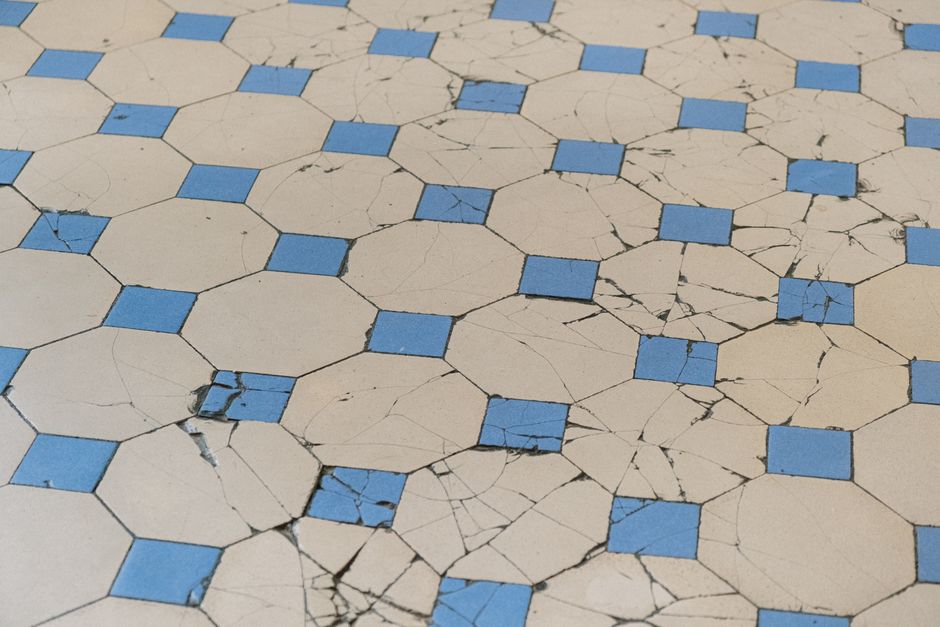
A crack in the floor of your shower or the surface of your bathtub is not a cosmetic issue. It is a structural failure that compromises the waterproof barrier separating your bathroom from the framing beneath it. Every time water runs over a cracked surface, some of it finds its way through, and over time that water causes the subfloor, framing, and surrounding materials to deteriorate.
Cracks that are small today expand over time as the surface flexes with temperature changes and foot traffic. By the time a crack is visibly large, the damage beneath it may already be significant. Any crack in a shower pan or tub surface is a sign that replacement is the right call, not repair.
Sign 2: Mold That Keeps Coming Back
Surface mold that appears in tile grout is common in bathrooms and can usually be controlled with regular cleaning. The problem arises when mold returns within days of a thorough cleaning, or when it appears in locations that suggest it is growing behind the wall rather than on the surface. Black staining around the base of the shower wall, at caulk lines, or along the floor-wall junction that reappears consistently is a sign of mold in the substrate.
Mold in the wall cavity behind a shower is a health concern and a structural concern simultaneously. It cannot be solved by cleaning the surface. Only removing the wall surround, treating the affected framing and substrate, and installing a new waterproof system addresses the underlying problem. If your shower has persistent mold you cannot eliminate with cleaning, schedule an inspection.
Sign 3: Soft or Spongy Spots in the Floor or Walls
Press firmly on several points along your shower floor and lower walls. If any area feels soft, spongy, or slightly flexible rather than solid and firm, water has reached the substrate or subfloor beneath the surface. This is a serious structural warning sign, particularly in older homes where subfloor damage can spread from the bathroom into the surrounding areas if left unaddressed.
Soft spots typically develop where cracks, failed caulk lines, or deteriorated grout have allowed water to reach the backing material over months or years. By the time you can feel the damage from the surface, the extent of it beneath the surface is almost always larger than expected.
Sign 4: Persistent Staining and Discoloration
Bathtub and shower surfaces that have lost their finish, absorbed mineral deposits from hard water, or developed staining that survives aggressive cleaning have reached the end of their practical life. This is particularly common in older fiberglass and cast iron tubs where the surface coating has worn away, exposing the underlying material to direct staining.
Staining that cannot be removed is not just an appearance issue. A surface with a compromised finish is harder to clean, harbors bacteria more readily, and continues to look worse over time regardless of how much effort goes into maintaining it. Our bathtub replacement service gives homeowners a fresh, nonporous surface that resists staining from day one.

Sign 5: Chronic Leaks Around the Base or Door
Water that pools on the bathroom floor after a shower, or moisture that appears along the baseboard outside the shower, indicates that water is escaping the shower enclosure. This is sometimes a caulk or seal issue that can be addressed with minor repairs, but chronic leaking that returns after re-caulking suggests a more fundamental problem with the pan, the drain flange, or the wall-to-floor connection.
Leaks left unaddressed damage the subfloor, the framing below it, and in multi-story homes, the ceiling of the room below. The longer a leak continues, the more expensive the eventual repair becomes. A failing shower that leaks is not a problem that improves on its own.
Sign 6: Outdated Design That Undermines the Whole Room
A pink-tiled shower from 1975 or a harvest-gold bathtub pulls down the perceived value of the entire bathroom regardless of its functional condition. If the rest of your bathroom has been updated and the shower or tub stands out as obviously outdated, the renovation math often favors replacement over living with the contrast.
TurnKey Bathroom Renovations regularly works with homeowners in New Orleans, Metairie, and Kenner who are preparing homes for sale or simply want a bathroom that matches the standard of the rest of their home. A dated shower or tub is a legitimate reason to replace, not just a cosmetic preference.
Sign 7: Accessibility Has Become a Challenge
When stepping over a tub edge or a shower threshold has become difficult, uncomfortable, or unsafe, the bathroom fixture has become an accessibility problem. This applies to older adults whose mobility has changed, homeowners recovering from injury or surgery, and anyone whose physical circumstances have shifted since the bathroom was last updated.
The right response is not to avoid bathing or to rely on a single grab bar. A replacement with a barrier-free shower, a walk-in tub, or an accessible shower design addresses the root cause. Also see our guides on replacement showers and bathtub options to understand what is available.
What to Do If You See These Signs
If one or more of these warning signs applies to your shower or bathtub, the next step is a professional assessment. TurnKey Bathroom Renovations provides free estimates throughout Greater New Orleans. Our licensed team holds Residential License #890459 and evaluates your bathroom’s actual condition before recommending a solution. Call us at (504) 603-0735 or reach us through our contact page to schedule your free estimate.