
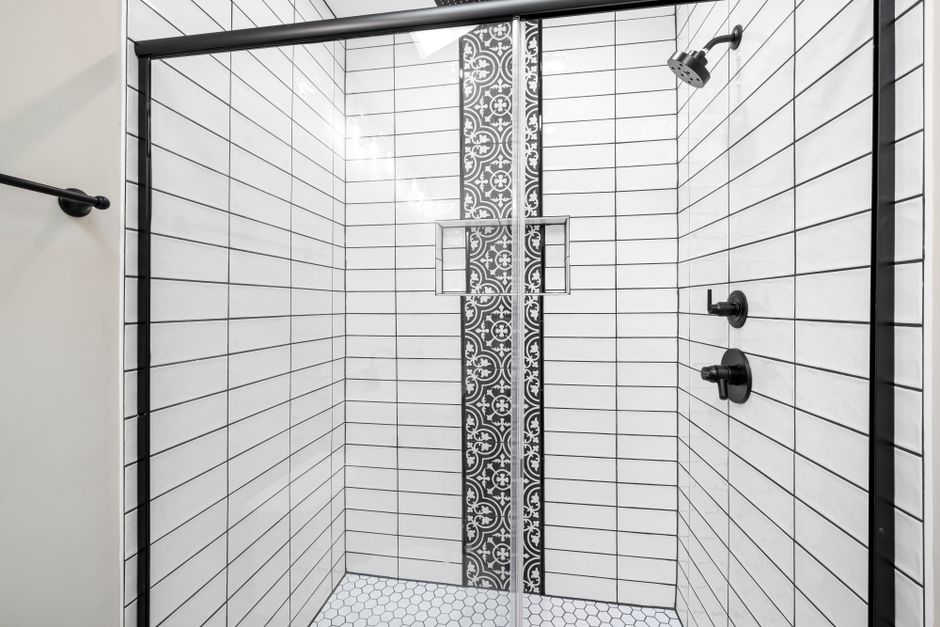
Shower surrounds and tile are both viable wall systems for New Orleans bathrooms, but they perform very differently in the region’s high-humidity environment. Acrylic surrounds are nonporous, mold-resistant, and require minimal maintenance, making them particularly well-suited to Louisiana’s climate. Tile offers more design flexibility and can last decades when properly installed, but grout lines require consistent sealing and cleaning to resist the mold growth that humid conditions accelerate.
If you are replacing a shower in a New Orleans, Metairie, Gretna, or surrounding area home, the wall system decision matters more here than it would in a drier market. Louisiana’s humidity does not just affect comfort: it actively shapes how bathroom materials perform over time. TurnKey Bathroom Renovations installs both surround systems and tile in Greater New Orleans, and this guide gives you an honest comparison grounded in local conditions.
What Is a Shower Surround?
A shower surround is a wall panel system, typically made from acrylic, that installs over the shower walls in large sheets with minimal or no grout lines. The panels are custom-cut to fit your shower dimensions and adhere directly to the wall backing, creating a smooth, continuous surface from floor level to the top of the shower wall.
TurnKey’s shower surround installations use nonporous acrylic panels that do not absorb water, harbor bacteria, or allow mold to grow in the surface material itself. The seams between panels are sealed with waterproof caulk and require occasional inspection and re-application over the life of the installation, but the panel surfaces themselves need only regular wiping with a non-abrasive cleaner.
Installation is faster than tile, typically completed in one to two days for the wall system alone. This makes surround systems appealing for homeowners who want to minimize the time the bathroom is out of commission during a renovation.
What Is a Tile Shower?
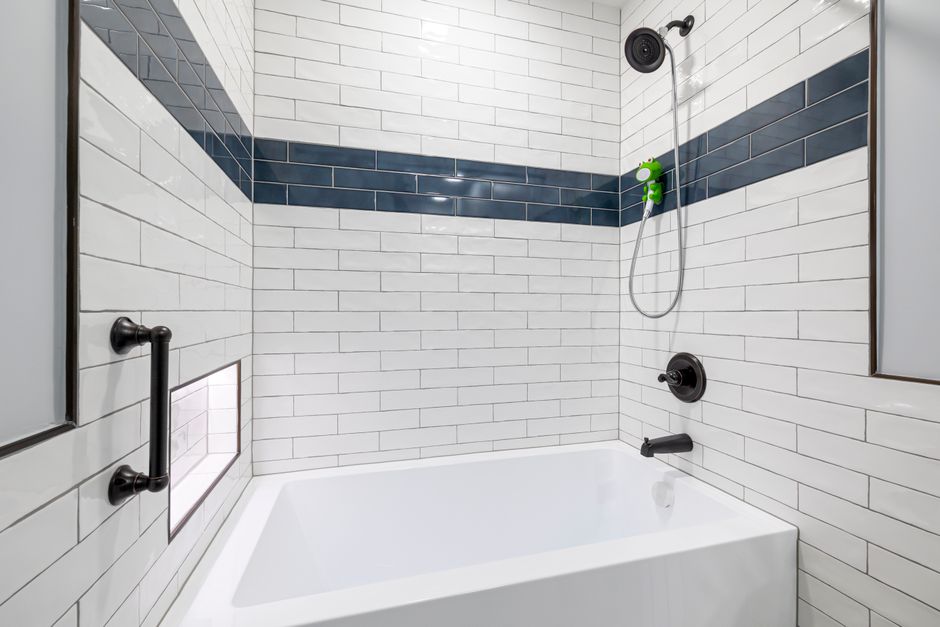
A tile shower uses individual ceramic, porcelain, or natural stone tiles adhered to the wall backing with thin-set mortar and separated by grout joints. The design options are nearly unlimited: any size tile, any color grout, any pattern, and any combination of surface finishes. Tile can fill a shower from floor to ceiling and wrap continuously without requiring trim pieces or panel transitions.
High-quality porcelain tile is among the most durable shower wall materials available. It resists scratching, fading, and impact better than most alternatives and, when properly sealed, can look excellent for twenty-five years or more. The tile itself is not the performance weak point in a tile shower. The grout is.
Grout is a cement-based material that is porous by nature and requires sealing to resist moisture absorption and staining. In Greater New Orleans’s humid environment, unsealed or worn grout provides exactly the conditions mold needs: a porous organic substrate with consistent moisture exposure. Most tile shower maintenance issues in New Orleans area homes trace back to grout condition rather than the tile itself.
Performance in Louisiana’s Climate
Greater New Orleans receives more annual rainfall than any major city in the continental United States, and average humidity levels are among the highest in the country. This environment is uniquely demanding on bathroom surfaces, particularly those with grout lines.
Acrylic surround panels perform consistently in this environment because there is no porous material exposed to the shower environment. The surface is easy to wipe dry, water beads and rolls off, and there is no grout to harbor growth. Homeowners in humid climates consistently report lower maintenance burden with surround systems compared to tile.
Tile requires more active maintenance in Louisiana conditions. Grout should be sealed annually in high-humidity environments and inspected for cracking or crumbling regularly. Unsealed or deteriorated grout in a New Orleans shower creates the conditions for mold growth behind the tile surface, which is a significantly more involved problem to address than surface mold. When tile renovations are done with high-quality materials and consistent maintenance, they perform well. When maintenance lapses, the consequences are more significant here than in drier climates.

Installation Time and Cost
Acrylic surround systems install faster than tile. A surround installation is typically complete in one to two days for the wall panels. Tile installation requires additional days for the mortar setting time, grouting, and grout curing before the shower can be used. A tile shower installation typically takes three to seven days from start to usable completion.
Cost comparisons between the two depend heavily on tile selection. A basic ceramic tile installation is priced comparably to a mid-range surround system. A custom tile design with premium porcelain, decorative accents, or ceiling-height walls will cost significantly more. High-end acrylic surround systems with wood-grain or stone-look finishes close some of that premium gap while maintaining the low-maintenance benefits of a nonporous panel.
Design Flexibility
Tile offers more design flexibility than any panel system. Any pattern, any size, any grout color, and any combination of finishes are achievable. For homeowners who want a custom look that cannot be replicated with panels, tile is the right medium.
Acrylic surrounds have expanded significantly in design range. Stone-look, wood-look, and neutral solid finishes are available in a wide range of colors, and large-format panels create a clean, modern aesthetic that suits contemporary bathroom designs. The range is not as broad as tile, but for most homeowners the available options are more than sufficient.
Which Is Right for Your New Orleans Bathroom?
If low maintenance, mold resistance, and fast installation are your priorities, an acrylic surround system is the practical choice for a Greater New Orleans bathroom. If design customization and the aesthetic of real tile are your priorities and you are committed to consistent maintenance, a well-installed tile shower is a legitimate option.
TurnKey Bathroom Renovations can help you evaluate both options for your specific bathroom and usage patterns. Call us at (504) 603-0735 or reach us through our contact page for your free estimate. Also explore our full showers page, our replacement shower options, and our shower enclosure guide as you plan your renovation.